Water Damage Restoration Mission Hills
Mission Hills Crossing Water Damage Restoration

Water Damage Restoration in Mission Hills Crossing, Done Right the First Time

Water Damage Restoration in Mission Hills Crossing means getting standing water out of your building before it reaches the drywall, the subflooring, or the electrical. We work the Crossing every week, from the older commercial blocks near Junction Plaza to the houses off Crossing North. Our technicians arrive with moisture meters, thermal imaging cameras, and truck-mounted extraction, so a burst pipe or a toilet overflow stops being a disaster and starts being a two-day cleanup.

4
Years serving Mission Hills Crossing
2,100+
Jobs completed
rainy-season leak calls
Right now in Mission Hills Crossing

Mission Hills Crossing overview

Water Damage Restoration in Mission Hills Crossing, Built Around This Neighborhood

Why we work in Mission Hills Crossing

The Crossing has a lot going on. It is a high traffic area with infrastructure strain, and the local business improvement district keeps the storefronts busy from morning to night. That traffic means water main breaks and sewer backups hit more people at once. We also see a lot of older commercial buildings with plumbing issues, where a small leak behind a wall has been quietly soaking insulation for months before anyone notices. We serve here because the demand is real and the buildings are complicated. A cookie-cutter approach does not work when half your calls are storefronts with inventory on the floor and the other half are homes with crawl space moisture nobody has looked at in years.

Fast water extraction and drying for homes and businesses across the Crossing

Mission Hills Crossing is a busy commercial and residential hub, and that mix is exactly why we keep trucks pointed here. The Crossing North and Crossing South blocks are full of older commercial buildings with plumbing issues, and the residential streets behind the mall see their share of slab leaks and burst pipes. We have been serving this area since 2022, and in four years we have learned where the water goes when a pipe lets go at Junction Plaza versus a house near the Crossing Library. Water Damage Restoration Mission Hills Crossing customers call us for emergency water damage cleanup Mission Hills Crossing, and we treat every call like it is the only one that matters. Whether it is a failed supply line in a Station District storefront or a basement flood cleanup near Mission Hills Crossing Mall, we bring the same equipment and the same standard.

Services available

Water Damage Restoration Services Available Across Mission Hills Crossing

Every building in the Crossing has its own weak point. A storefront near the Transit Station might have a roof leak that only shows up after a hard rain, while a house off Crossing South might have a slab leak that has been quietly pushing water under the floor for weeks. We handle both, plus everything in between. If you have been searching for water damage restoration near me Mission Hills Crossing CA, this is the list of what we actually do here, not a generic menu copied from another city.

How we work locally

How Water Damage Restoration Gets Done in Mission Hills Crossing

Challenge: Frequent water main breaks disrupt the whole block

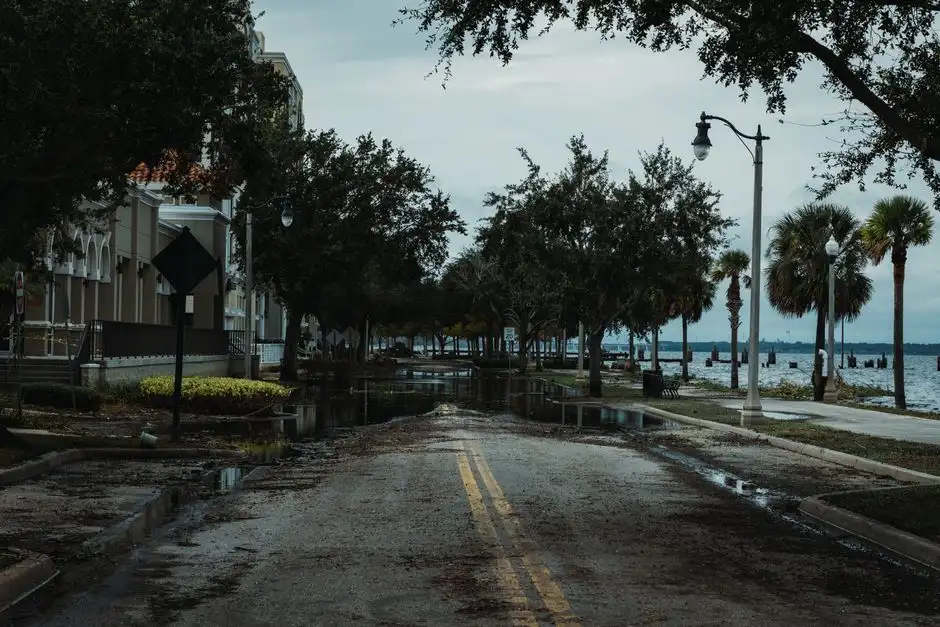
When a main breaks near Junction Plaza or Commerce Park, several buildings flood at once. That means we have to triage, sending crews to the worst losses first and scheduling the smaller jobs behind them. It also means the water is often muddy and full of sediment, which changes how we extract and clean.

Solution: We keep a list of the buildings most likely to be affected by main breaks in the Crossing and call the property managers when we hear about a break. We bring extra extraction equipment and a water test kit so we know whether we are dealing with clean water or something that needs more aggressive sanitizing.

Challenge: Older commercial buildings hide leaks behind walls

A slow leak in a Crossing North storefront can soak the insulation and drywall for months before anyone notices. By the time the stain shows up, the damage is often much bigger than it looks. That drives up the cost and the time it takes to dry the building out.

Solution: We use thermal imaging cameras and moisture meters to check the whole wall, not just the visible stain. If we find hidden moisture, we open the wall, remove the wet insulation, and dry the framing. It is more work up front, but it stops the mold from coming back six months later.

Neighborhoods we serve

Crossing NorthCrossing SouthJunctionStation DistrictCommerce ParkMission Hills Crossing Mall area

Service area

Mission Hills Crossing

Latitude: 34.6391

Extract Directions

Case files

Recent project: 1

Junction Plaza

Challenge

A water main break near Junction Plaza flooded three storefronts on the same block, leaving standing water across the floors and soaking the baseboards and lower drywall.

Execution

We sent two crews and started extraction on all three units at once. We used truck-mounted extraction for the standing water and portable wet vacuums for the tight spots behind counters. After extraction, we set air movers and dehumidifiers in each unit and checked the walls with moisture meters. We also worked with the property manager to coordinate access and keep the tenants informed.

Impact

All three storefronts were dry and back open within four days. We replaced about 60 linear feet of baseboard and a small section of drywall in the worst-hit unit. The property manager now calls us first when anything leaks on that block.

Recent project: 2

Crossing South

Challenge

A homeowner in Crossing South noticed a musty smell and a soft spot in the hallway floor. A slow slab leak had been soaking the subflooring for weeks without showing any visible water.

Execution

We used thermal imaging cameras and moisture meters to trace the leak to a failed supply line under the slab. After the plumber made the repair, we extracted the water from the subflooring, removed the affected flooring, and set up drying equipment. We also treated the area with antimicrobial solutions to stop mold from starting.

Impact

The floor was dry in three days, and we replaced about 120 square feet of flooring. The homeowner avoided a much bigger mold job because we caught it before the colony spread. Total job cost came in under $3,200.

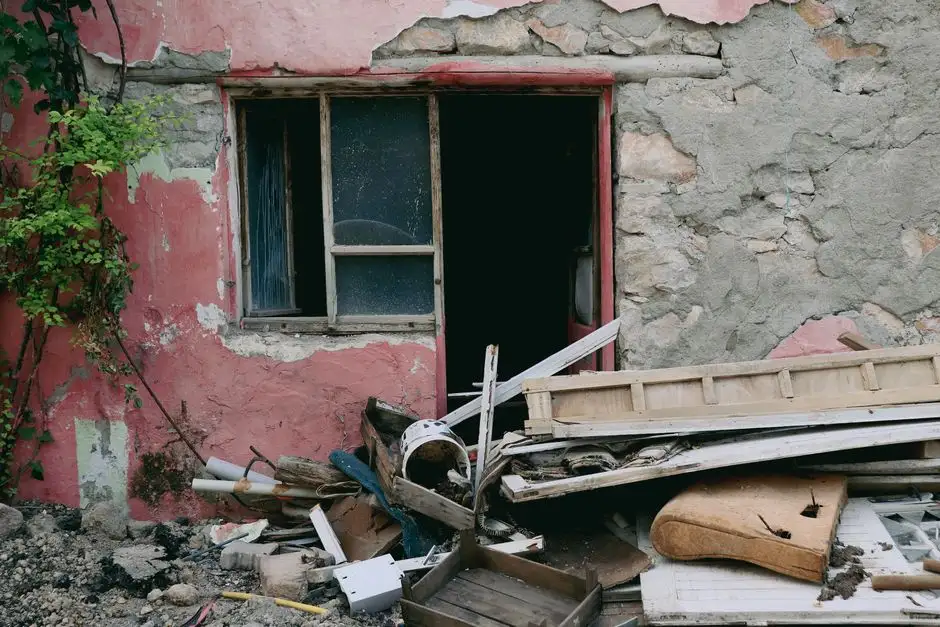
A damaged building facade showing broken windows and scattered rubble, illustrating urban decay.
Our track record
Our track record

Field Evidence From Mission Hills Crossing Jobs

What Four Years in the Crossing Looks Like

Since 2022, we have completed more than 2,100 water damage jobs across Mission Hills Crossing and the surrounding area. The calls break down roughly the way you would expect: about 40 percent are burst pipes and supply line failures, 25 percent are toilet overflows and sewage backups, 20 percent are roof leaks and ceiling water damage, and the rest are slab leaks, basement flooding, and mold jobs that started as something smaller. The busiest single week we have had in the Crossing was after a storm in early 2024, when a water main break near Junction Plaza flooded three storefronts on the same block. We ran crews around the clock for two days and had all three businesses back open by the end of the week. That is the kind of emergency water damage cleanup Mission Hills Crossing businesses need from a local team.

2,100+
Jobs completed

Local questions

How much does water damage restoration cost in Mission Hills Crossing?

Most residential jobs in the Crossing run between $1,800 and $3,500, with small kitchen leaks starting around $1,200 and full commercial losses going higher. The price depends on the size of the affected area, the type of water, and what materials need to be replaced. We give you a written estimate before we start, so there are no surprises.

Who is the best water damage restoration company in Mission Hills Crossing CA?

That depends on what you need, but we think the best company is the one that knows the Crossing and shows up when they say they will. We have been serving this area since 2022, we hold IICRC certifications, and we work with your insurance company. Call us at (833) 321-7153 and decide for yourself.

Is there 24/7 water damage restoration near Mission Hills Crossing California?

Yes. We answer the phone 24 hours a day, seven days a week, including holidays. A burst pipe at 2 a.m. in Crossing North gets the same response as a call at noon. We aim to have a crew on site within 60 minutes for emergencies in the Crossing.

Licensed & insured

Licensed, Insured, and Compliant in Mission Hills Crossing

We are a licensed and insured water damage restoration contractor serving Mission Hills Crossing and the surrounding area. Our technicians hold IICRC certifications in water damage restoration and structural drying, and we follow the ANSI/IICRC S500 standard on every water job. For mold work, we follow ANSI/IICRC S520 and hold California Mold Remediation Worker certification. We also carry EPA Lead-Safe certification, which matters in the older buildings around the Crossing. Every job is documented with moisture readings and photos, so your insurance claim goes through without a fight.

California State Contractor License (CSLB)
California Mold Remediation Worker certification
IICRC Water Restoration Technician (WRT) IICRC
When To Call

Signs You Need Water Damage Restoration in Mission Hills Crossing

Water damage is not always obvious. Sometimes you see the puddle, and sometimes you just smell something musty and cannot figure out where it is coming from. If you have been searching for water damage restoration near me Mission Hills Crossing CA, these are the signs that mean it is time to call. The sooner you call, the less of your building we have to tear out.

1. Musty smell that will not go away

A musty smell usually means mold is growing somewhere you cannot see. In the older commercial buildings around Commerce Park, it is often behind a wall or under a floor where a slow leak has been soaking the insulation for weeks. Call us before the colony spreads.

2. Soft or spongy spot in the floor

A soft spot in the floor means the subflooring has been wet long enough to break down. This is common with slab leaks in Crossing South and Crossing North. If you press on it and it gives, the damage is already significant and you need extraction and drying right away.

3. Water stain on the ceiling

A ceiling water stain means water is coming from above. It could be a roof leak, a failed supply line, or an overflowing toilet in the unit above. In the multi-story buildings around Junction Plaza, this is one of our most common calls. Do not paint over it.

4. Higher than normal water bill

If your water bill jumps and nothing has changed, you probably have a leak. Slab leaks are the usual suspect in the Crossing, and they can run for months without showing any visible water. We can find it with thermal imaging cameras and moisture meters.

5. Crawl space feels damp or smells earthy

A damp crawl space is a mold problem waiting to happen. The older homes off Crossing South and the buildings near Commerce Park often have crawl spaces that stay wet year-round. We can dry it out and treat it before the mold takes hold.

Local Problem Patterns

Common Water Damage Problems in Mission Hills Crossing

Mission Hills Crossing has its own set of water damage problems, and they are not the same as what you would see in a newer suburb. The combination of older commercial buildings, high traffic, and Santa Barbara County weather creates specific issues. Here are the four we see most often, and what we do about them.

Slab leaks in older homes and commercial buildings

Why it happens here

The Crossing has a lot of buildings from the 1960s and 1970s, and the copper supply lines under the slabs are reaching the end of their life. The soil here also shifts with the wet and dry seasons, which puts stress on the pipes and causes them to crack.

Our approach

We use thermal imaging cameras and infrared thermometers to find the leak without tearing up the whole floor. Once the plumber makes the repair, we extract the water, dry the subflooring, and replace the affected flooring. We also treat the area with antimicrobial solutions to stop mold.

Sewage backups during heavy rain

Why it happens here

The Crossing is a high traffic area with infrastructure strain, and the older sewer lines in the commercial districts cannot always handle the volume during a big storm. When the city lines back up, the water comes into the lowest building on the block, which is often a storefront near Junction Plaza.

Our approach

We treat every sewage backup as a black water job. That means full containment, removal of contaminated materials, and disinfection with antimicrobial solutions and HEPA filtration. We also work with the property manager to document the loss for insurance.

Roof leaks and ceiling water damage after storms

Why it happens here

Santa Barbara County gets most of its rain between November and March, and the older roofs in the Crossing are not always up to it. A small leak during a storm can soak the insulation and drywall for days before anyone notices the stain on the ceiling.

Our approach

We find the source of the leak, stop it if we can, and dry the ceiling structure. If the drywall has sagged or the insulation is soaked, we remove and replace it. We also check the attic for mold, because that is where it usually starts.

Crawl space moisture and mold

Why it happens here

The soil in the Crossing drains slowly, and a lot of the older homes have crawl spaces with poor ventilation. That combination keeps the space damp for months at a time, which is all mold needs to get started. Most homeowners do not know it is happening until they smell it.

Our approach

We inspect the crawl space with cameras, set containment barriers, and run negative air machines with HEPA filters. We remove the affected insulation, treat the joists and subflooring with antimicrobial solutions, and dry the space out. Our crews follow ANSI/IICRC S520 on every mold job.

Local Pricing

What Water Damage Restoration Costs in Mission Hills Crossing

Typical 2026 pricing for water damage restoration in Mission Hills Crossing runs from about $1,200 for a small kitchen leak to $6,000 or more for a full commercial loss. Most residential jobs land in the $1,800 to $3,500 range. The price depends on how much water there is, how far it has spread, and what kind of materials are affected. Carpet and pad are cheaper to dry than hardwood or tile. A slab leak costs more to fix than a burst supply line because we have to find the leak before we can dry the area. If you need affordable water damage restoration in Mission Hills Crossing, call us and we will give you a straight answer on the phone before we come out.

Availability in Mission Hills Crossing: We answer the phone 24 hours a day, seven days a week, including holidays. For emergencies in Mission Hills Crossing, we aim to have a crew on site within 60 minutes. For non-emergency jobs, we can usually schedule same-day or next-day service. If you are a business near Mission Hills Crossing Mall or Commerce Park, we can work after hours to avoid disrupting your customers.

1

Size of the affected area

A small bathroom leak is a different job than a flooded warehouse floor in Commerce Park. The bigger the area, the more extraction equipment and drying equipment we need, and the longer the job takes. Square footage is the single biggest driver of cost.

2

Type of water

Clean water from a supply line is the cheapest to deal with. Gray water from a washing machine or dishwasher costs more because it needs sanitizing. Black water from a sewage backup is the most expensive because it requires full containment, removal of contaminated materials, and disinfection.

3

Materials affected

Carpet and pad can often be dried in place. Hardwood, laminate, and tile usually need to be removed and replaced. Drywall and insulation that have been wet for more than 48 hours almost always have to go. The more materials we have to replace, the higher the cost.

Year-Round Coverage

How Seasons Affect Water Damage Restoration in Mission Hills Crossing

The Crossing has a Mediterranean climate, which means wet winters and dry summers. That pattern drives our call volume. Most of our emergency water removal in Mission Hills Crossing happens between November and March, when storms roll through Santa Barbara County. But summer has its own problems, mostly from air conditioning and plumbing that has been sitting unused.

Spring

Spring is when we see the aftermath of winter storms. Roof leaks that started in January finally show up as ceiling stains, and crawl spaces that got wet during the rain start to grow mold. We also get a lot of calls for sump pumps that failed during the last storm.

Tip

Check your attic and crawl space for any signs of moisture. If you see a stain on the ceiling, call us before the mold starts. Spring is the best time to catch a small problem before it becomes a big one.

Summer

Summer is our slowest season for storm-related flooding, but we still get plenty of calls. The most common are air conditioning condensate leaks, which can soak a ceiling or a closet floor, and slab leaks that finally give out after months of dry soil shifting around the pipes.

Tip

Watch your water bill. If it goes up in the summer and you are not watering more, you probably have a leak. Also check the pan under your air handler for standing water.

Fall

Fall is when we start getting ready for the rainy season. The first storms usually hit in November, and they often catch people off guard. We see a spike in roof leaks, gutter overflows, and water main breaks as the dry soil gets its first real soaking in months.

Tip

Clean your gutters and check your roof before the first big rain. If you have a sump pump, test it. A little prep in October saves a lot of cleanup in December.

Winter

Winter is our busiest season. The storms come through Santa Barbara County one after another, and the older buildings in the Crossing take a beating. We handle everything from burst pipes to flooded basements to sewage backups when the city lines get overwhelmed. Response times can stretch during a big storm, so call early.

Tip

If a storm is coming, make sure you know where your water shut-off valve is. If a pipe bursts, turn the water off first, then call us. That one step can save thousands of dollars in damage.

Hiring Smart

What to Ask Before Hiring a Water Damage Restoration Company in Mission Hills Crossing

Not every water damage company is the same, and the difference matters when your building is wet. These are the questions we would ask if we were the ones hiring. If a company cannot answer them straight, keep looking.

  1. 1

    "How long have you been working in Mission Hills Crossing?"

    Why it matters

    A company that knows the Crossing knows where the water goes, how the buildings are laid out, and how long drying usually takes here. A company from out of town will be learning on your dime. We have been serving this area since 2022.

  2. 2

    "Are you licensed and insured in California?"

    Why it matters

    California requires a state contractor license for this kind of work, and you want to see proof of insurance before anyone starts. If a company cannot show you a license and a certificate of insurance, do not let them in the door. It is not worth the risk.

  3. 3

    "What certifications do your technicians hold?"

    Why it matters

    The IICRC certifications, WRT for water damage and ASD for structural drying, are the industry standard. If the technicians on your job do not have them, they may not know how to dry a building properly. Our crews hold both, plus AMRT for mold.

  4. 4

    "Will you give me a written estimate before you start?"

    Why it matters

    You should know what the job will cost before the work begins. A written estimate protects you from surprise charges later. We use Xactimate, the same software your insurance company uses, so the numbers line up and there are no arguments at the end.

  5. 5

    "How do you handle insurance claims?"

    Why it matters

    Most water damage jobs in the Crossing go through insurance, and the paperwork can be a headache. A good company will document everything with photos and moisture readings, communicate with your adjuster, and make sure you get the coverage you are entitled to.

Knowing the Area

Navigating Mission Hills Crossing: Landmarks We Use Every Day

When you call us, we do not need a long explanation of where you are. We know the Crossing. Mission Hills Crossing Mall is our main reference point for the retail core, and the Transit Station tells us which side of the neighborhood you are on. Junction Plaza and Commerce Park anchor the commercial districts, and the Crossing Library is a landmark we use for the residential streets to the south. If you tell us you are near the library or behind the mall, we know exactly where to send the truck.

Landmarks

  • Mission Hills Crossing Mall

    The mall is the center of the retail district and our main orientation point for commercial jobs. A lot of our storefront water damage calls come from the blocks immediately around it, and we know the service entrances and loading zones.

  • Transit Station

    The Transit Station is a high-traffic hub, and the buildings around it see a lot of foot traffic and a lot of plumbing strain. We use it as a reference point for the Station District and the surrounding offices and apartments.

  • Crossing Library

    The Crossing Library sits in the middle of the residential side of the neighborhood. When someone tells us they are near the library, we know they are in the Crossing South area, where we handle a lot of toilet overflows and ceiling water damage.

Commercial Districts

  • Commerce Park

    Commerce Park is the industrial and warehouse district of the Crossing. The buildings are larger, and the water damage tends to be bigger too. We handle a lot of commercial water extraction and sewage cleanup here, often working around business hours to keep operations running.

  • Junction Plaza

    Junction Plaza is a busy retail and office area with older buildings. The plumbing in these buildings is a common source of leaks, and we see a lot of storefront water damage and ceiling water damage from units above. The local business improvement district keeps the area active, so scheduling matters here.

Transport & Access

  • Transit Station

    The Transit Station is central to the Crossing and easy to reach from the main roads. We use it as a landmark for the Station District and the surrounding commercial blocks. Parking can be tight during peak hours, so we plan for it.

  • Commerce Park access roads

    Commerce Park has wide access roads that make it easy to get a truck and equipment to the door. That helps on large commercial jobs where we need to run multiple hoses and set up a lot of drying equipment.

Service Area

Water Damage Restoration Coverage Across Mission Hills Crossing & Santa Barbara County

Routine and same-week appointments for residents and businesses across Santa Barbara County, including the ZIP codes below.

93436
!

Water Damage Restoration in Mission Hills Crossing: Call Now Before It Spreads

Every hour you wait, water spreads further into your floors, walls, and insulation. We serve Mission Hills Crossing 24 hours a day, and we can usually be on site within 60 minutes. We are licensed, insured, and we know this neighborhood. Call us at (833) 321-7153 and we will get the water out and the drying started today.

Call now
Call Now: (833) 321-7153